: An interdisciplinary field combining neuroscience and ethology to understand how the nervous system controls specific behaviors. Key Areas of Focus
The study of animal behavior and veterinary science is an interdisciplinary field that seeks to understand the complexities of animal behavior and its impact on their health and well-being. As our understanding of animal behavior has evolved, it has become increasingly clear that behavior plays a critical role in the health and welfare of animals. In this write-up, we will explore the importance of animal behavior in veterinary science, the key concepts and principles that underlie this field, and the applications of this knowledge in veterinary practice.
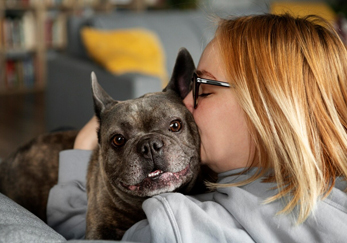
The Intersection of Animal Behavior and Veterinary Science Understanding why animals do what they do is no longer just a hobby for naturalists. It is a critical component of modern medicine. The fields of animal behavior and veterinary science have merged to transform how we care for domestic, exotic, and agricultural animals. By studying behavior alongside physiology, veterinary professionals can diagnose illnesses faster, improve animal welfare, and strengthen the bond between humans and animals. 1. What is Veterinary Behavioral Medicine?
One of the most significant behavioral factors affecting animal health is stress. Stress can be caused by a variety of factors, including changes in environment, social isolation, and medical procedures. Chronic stress can lead to a range of negative consequences, including:
For decades, veterinary medicine focused primarily on the physiological and pathological aspects of animal health. However, the modern paradigm has shifted toward a holistic approach where animal behavior is recognized as a fundamental pillar of veterinary science. This review explores the symbiotic relationship between ethology (the study of animal behavior) and clinical practice. It highlights how understanding behavior is no longer a niche specialty but a necessity for accurate diagnostics, improved welfare, client retention, and veterinary safety.
Cats are prey animals who hide illness. Urinating outside the box is often a desperate signal of physical distress—most commonly:
Never punish a cat for this behavior. Book a vet visit for urinalysis and bloodwork before calling a behaviorist.
This discipline bridges the gap between medical health and applied behavior.
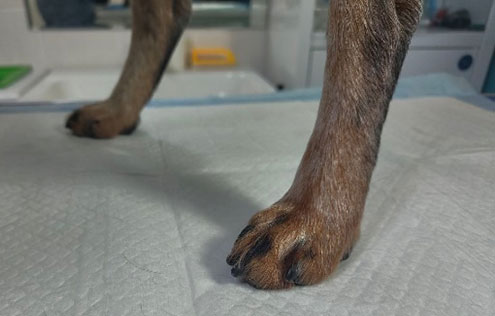
Many animals, particularly prey species like rabbits, horses, and cats, instinctively hide signs of physical vulnerability. Behavioral shifts are often the first—and sometimes only—clues that an animal is hurting.
Understanding herd dynamics and flight zones reduces stress during transport and handling.
Are there you want to focus heavily on? (e.g., small animals, horses, exotic wildlife)