
(though young herself) paved the way for Barbie , which featured an aging Rhea Perlman and a magnificent Helen Mirren as the narrator. Nancy Meyers practically invented the "rich older woman getting a second chance at love" subgenre ( Something’s Gotta Give , It’s Complicated ). But the true revolutionaries are Jane Campion ( The Power of the Dog ), Chloé Zhao ( Nomadland ), and Emerald Fennell ( Promising Young Woman ). While their subject matter varies, they consistently write roles for women over 40 that are the leads, not the sidekicks.

Several prominent figures have shattered the glass ceiling of ageism, demonstrating that artistic power intensifies with time.

In the classic Hollywood studio system, a woman over 40 was frequently offered only two archetypes: the villain (the bitter, jealous schemer) or the ancillary figure (the mother, the spinster aunt, or the nugget of comic relief). This phenomenon, famously dubbed the "Invisible Woman" syndrome by critics like Molly Haskell, suggested that a woman’s narrative value was intrinsically tied to her fertility and youthful beauty. As soon as signs of aging appeared, the industry deemed her story finished.

The Second Act: How Mature Women are Redefining Cinema in 2026

: Made history with her Best Actress Oscar win for Everything Everywhere All at Once at age 60. Her victory was a triumphant declaration that women of color can anchor mind-bending, physically demanding, and emotionally complex blockbusters late in their careers.

The dismantling of these ageist barriers did not happen by chance. It is the result of converging cultural demands, technological shifts, and industry activism. 1. The Demographics of the Audience

produced Nomadland and insisted on a "radical" inclusion rider: she would not do the film unless the crew and background actors reflected the reality of aging in America. The result was an Oscar-winning film that felt like a documentary, starring real-life nomadic women in their 60s and 70s.

For better or worse, MILF Manor has cemented its place in the reality TV hall of fame (or infamy). It has pushed the boundaries of what is considered acceptable entertainment and has become a key reference point for discussions about age-gap relationships, modern dating, and the representation of older women in pop culture.

Historically, the cinematic landscape was a desert for women over 50. As Meryl Streep famously noted after turning 40, she was offered three consecutive roles as witches. The problem was structural: studio executives believed audiences (both male and female) only wanted to see youth and desirability on screen. Characters with agency, desire, and complexity were reserved for women under 35. Once an actress crossed that invisible line, she was expected to play mothers, then grandmothers, then ghosts.

The successes of stars like Angela Bassett, Alfre Woodard, Regina King, and Michelle Yeoh highlight the necessity of intersectional representation. These women bring a distinct depth to their roles, blending cultural heritage, resilience, and personal history. The industry is gradually learning that the combination of diverse backgrounds and lived experiences yields the most compelling storytelling on the market. The Road Ahead: Ongoing Challenges

Welcome to
NSO'DA

Nso Cultural & Development Association Francais

We are a vibrant community organization dedicated to preserving and promoting the rich cultural heritage and fostering sustainable development among the Nso people of the Bamenda grass fields in the Northwest Region of Cameroon.
annabelle rogers kelly payne milfs take son work

Upcoming events, exhibitions & meetings​

The Ngonnso

The Ngonnso holds a revered position within Nso society as the founder of the Nso dynasty. According to Nso oral tradition, Ngonnso was a key figure in the migration of the Nso people from Tikari to the Bamenda grass fields of Cameroon.

Ngonnso is regarded as the ancestral figure who established the lineage from which subsequent Fons (paramount rulers) of Nso descended. As such, Ngonnso holds a special place in the collective memory and cultural identity of the Nso people.

annabelle rogers kelly payne milfs take son work

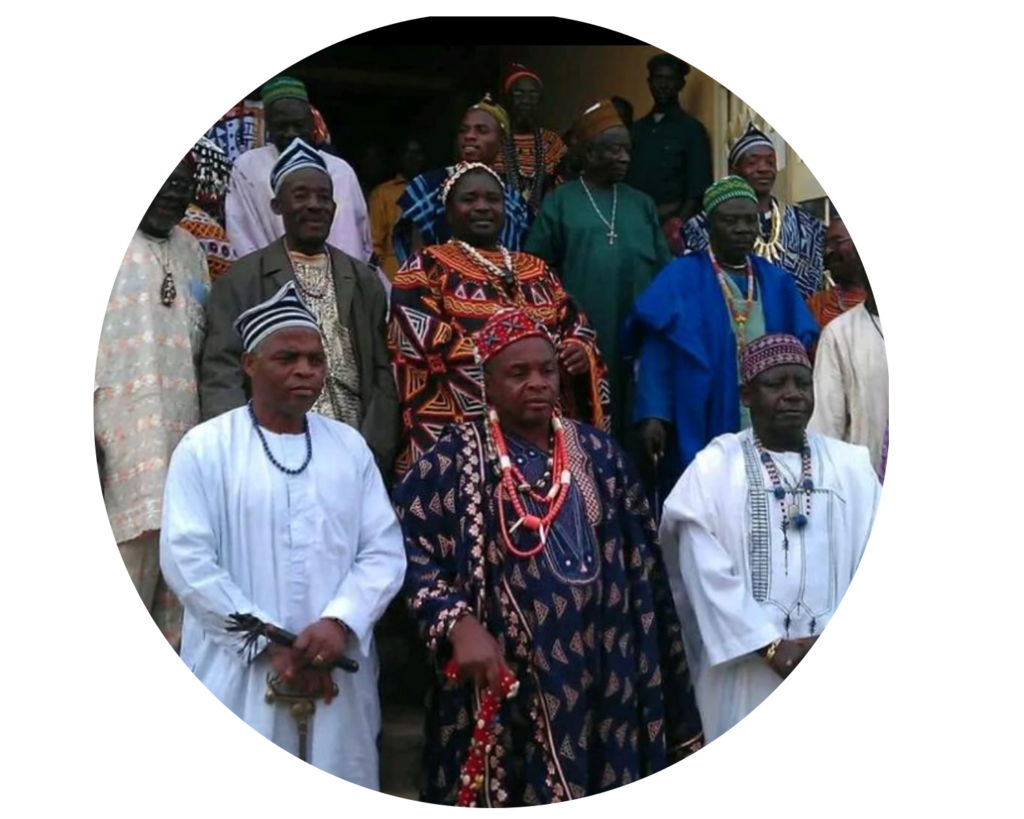
The Paramount Ruler of Bui Division

Fon of Nso,
HRH Alhaj Sehm Mbinglo I

Fon of Mbiame
Fon of Nkar
Fon Moolo II
Fon of Nseh
Fon of Ndzerem Mbokam
Fon Yushikeu II
Fon of Kiluun
Fon of Ndzrem Nyam
Yefon Ngah Bifon II - Nso

OUR BRANCHES

Annabelle Rogers Kelly Payne Milfs Take Son Work (2025)

(though young herself) paved the way for Barbie , which featured an aging Rhea Perlman and a magnificent Helen Mirren as the narrator. Nancy Meyers practically invented the "rich older woman getting a second chance at love" subgenre ( Something’s Gotta Give , It’s Complicated ). But the true revolutionaries are Jane Campion ( The Power of the Dog ), Chloé Zhao ( Nomadland ), and Emerald Fennell ( Promising Young Woman ). While their subject matter varies, they consistently write roles for women over 40 that are the leads, not the sidekicks.

Several prominent figures have shattered the glass ceiling of ageism, demonstrating that artistic power intensifies with time.

In the classic Hollywood studio system, a woman over 40 was frequently offered only two archetypes: the villain (the bitter, jealous schemer) or the ancillary figure (the mother, the spinster aunt, or the nugget of comic relief). This phenomenon, famously dubbed the "Invisible Woman" syndrome by critics like Molly Haskell, suggested that a woman’s narrative value was intrinsically tied to her fertility and youthful beauty. As soon as signs of aging appeared, the industry deemed her story finished. annabelle rogers kelly payne milfs take son work

The Second Act: How Mature Women are Redefining Cinema in 2026

: Made history with her Best Actress Oscar win for Everything Everywhere All at Once at age 60. Her victory was a triumphant declaration that women of color can anchor mind-bending, physically demanding, and emotionally complex blockbusters late in their careers. (though young herself) paved the way for Barbie

The dismantling of these ageist barriers did not happen by chance. It is the result of converging cultural demands, technological shifts, and industry activism. 1. The Demographics of the Audience

produced Nomadland and insisted on a "radical" inclusion rider: she would not do the film unless the crew and background actors reflected the reality of aging in America. The result was an Oscar-winning film that felt like a documentary, starring real-life nomadic women in their 60s and 70s. While their subject matter varies, they consistently write

For better or worse, MILF Manor has cemented its place in the reality TV hall of fame (or infamy). It has pushed the boundaries of what is considered acceptable entertainment and has become a key reference point for discussions about age-gap relationships, modern dating, and the representation of older women in pop culture.

Historically, the cinematic landscape was a desert for women over 50. As Meryl Streep famously noted after turning 40, she was offered three consecutive roles as witches. The problem was structural: studio executives believed audiences (both male and female) only wanted to see youth and desirability on screen. Characters with agency, desire, and complexity were reserved for women under 35. Once an actress crossed that invisible line, she was expected to play mothers, then grandmothers, then ghosts.

The successes of stars like Angela Bassett, Alfre Woodard, Regina King, and Michelle Yeoh highlight the necessity of intersectional representation. These women bring a distinct depth to their roles, blending cultural heritage, resilience, and personal history. The industry is gradually learning that the combination of diverse backgrounds and lived experiences yields the most compelling storytelling on the market. The Road Ahead: Ongoing Challenges